
GUTTER INSTALLATION IN BLYTHEWOOD, SC
Gutter installation in Blythewood, SC starts with your roofline. We plan capacity, outlets, and downspouts before forming seamless gutter runs on site.
Gutter installation in Blythewood, SC should be designed around the roof and property instead of copied from a standard residential package. At The Guttermen, we measure the roof runs, identify valleys and outlet locations, evaluate the fascia, and plan the downspouts before deciding what the new gutter system needs. Blythewood includes established rural properties, low-density residential areas, and newer homes. That can mean very different rooflines, tree exposure, lot sizes, and drainage conditions from one property to another.
We build around those differences rather than assuming the same gutter size and layout belong on every home.
Still comparing the scope of the work? Our Blythewood gutter company page explains how we assess a system before recommending a service.
How Do We Plan Gutter Installation for Blythewood’s Varied Rooflines?
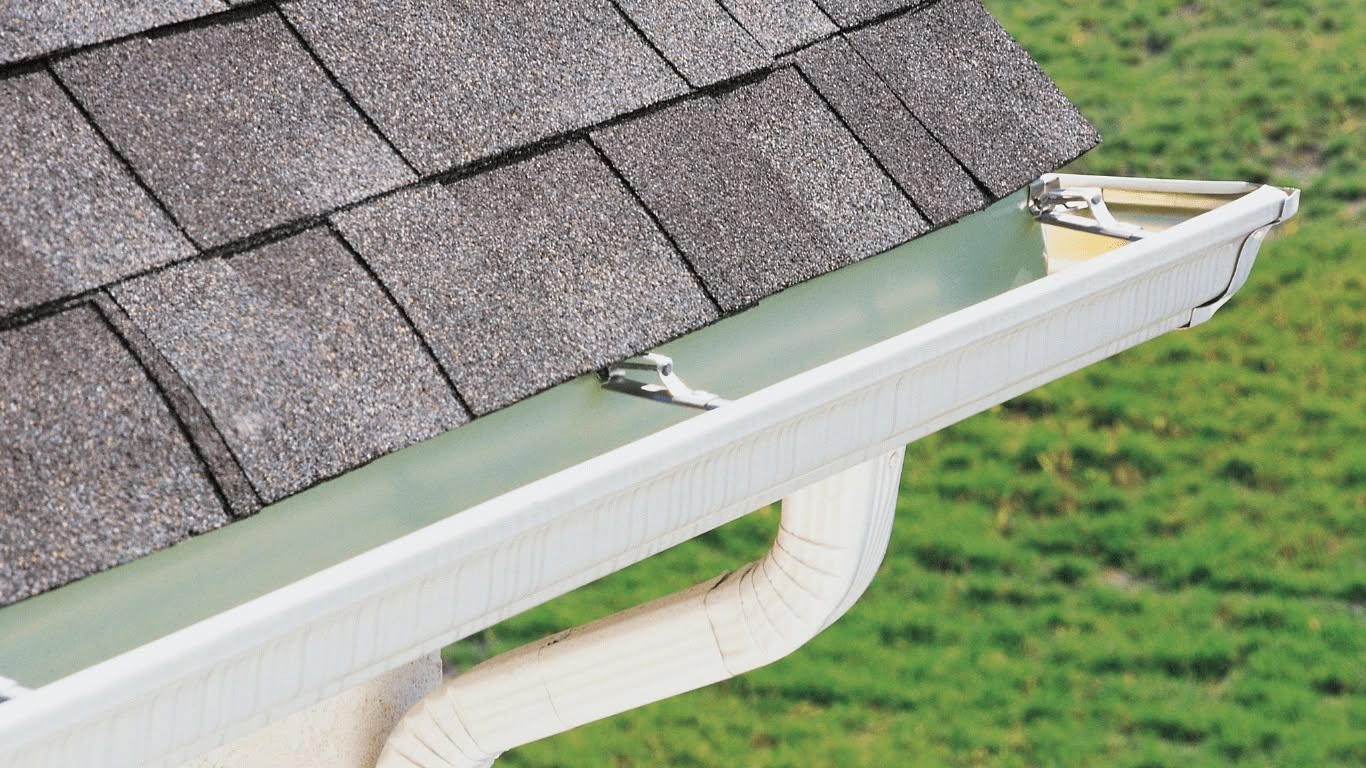
Blythewood’s mix of rural properties, established homes, and continued development means gutter design should start with the actual roof and lot. We look at run length, roof pitch, valleys, fascia condition, outlet locations, and available discharge areas before deciding which gutter and downspout configuration belongs on the property. A simple roof may only have a few straightforward runs. Other homes can include multiple elevations, porches, additions, dormers, or valleys that concentrate water into specific locations.
Those differences affect how we lay out the system. For example, one long roof section may need more than one practical outlet. Another section may receive additional runoff from a valley and require a different capacity discussion. We can also learn from an existing system. Recurring overflow at one corner can show us where the old layout struggled. Standing water may point toward poor pitch, while a downspout that repeatedly backs up can raise questions about outlet capacity.
Before planning the replacement, we may consider:
- Roof drainage area
- Roof pitch
- Valley locations
- Individual run lengths
- Existing overflow patterns
- Fascia condition
- Practical outlet locations
- Ground-level discharge options
The goal is to correct limitations rather than simply put new aluminum where the old aluminum used to be.
When Does a Blythewood Roof Need More Capacity Instead of More Support?
More gutter capacity can help when large roof areas, steep slopes, long runs, or multiple valleys send more water into one section. More hangers improve support, but they do not increase drainage capacity. We separate those two needs so the new system addresses both water volume and structural support correctly. This distinction matters because sagging and overflowing can look similar from the ground. A gutter may sag because its support has weakened.
That can involve failed hangers or a problem with the fascia behind the gutter. Overflow from a clean, properly supported gutter tells us something different. The system may need more collection or outlet capacity. The Guttermen installs 5- and 6-inch K-style gutters along with larger specialty profiles for projects with different drainage requirements. We do not automatically recommend the largest option. Greater capacity becomes more relevant when conditions include:
- Large roof areas feeding one run
- Steep roof sections
- Several valleys concentrating runoff
- Long runs with limited outlets
- Repeated overflow while the gutter is clean
Downspouts remain part of the decision. A larger gutter can collect more water, but it still needs enough outlet and downspout capacity to move that water out. When comparing installation proposals, ask whether the contractor is solving a support problem, a capacity problem, or both. They require different answers.
The Building America Solution Center’s gutter and downspout sizing guidance also connects collection capacity with enough outlets and downspouts to drain the system.

Plan Your Blythewood Gutter Installation
Show us where the old system overflows, sags, or leaves a roof edge unprotected. We will measure the runs and explain the proposed layout during a free on-site walkthrough.
How Should Wooded Lots Change Outlet and Downspout Planning?
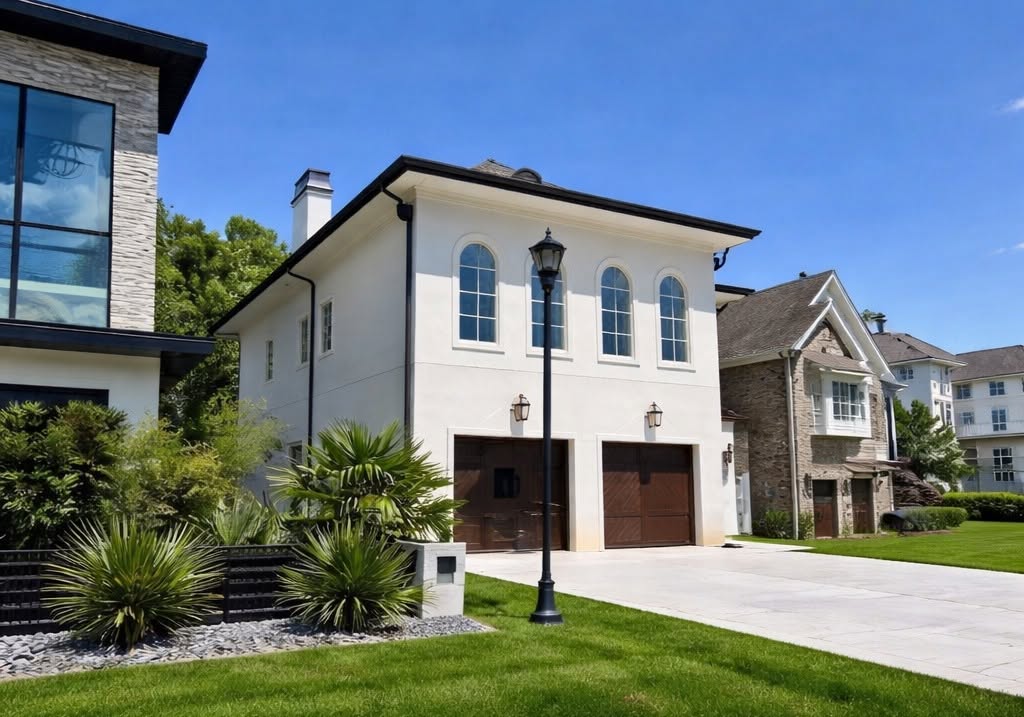
Wooded Blythewood lots can change both debris and discharge planning. Pine needles and hardwood leaves may concentrate near certain outlets, while larger yards or sloped ground can affect where downspouts should release water. We account for tree exposure, roof valleys, and ground conditions before finalizing the drainage path. Trees do not automatically determine gutter size. However, they can influence how the system should be maintained after installation. A downspout directly below heavy tree cover may receive more pine needles or leaves than another outlet on the same house.
Valleys can make that concentration even more noticeable. At ground level, the property creates another set of decisions. A downspout may need to work around:
- Driveways
- Walkways
- Landscaping
- Patios
- HVAC equipment
- Low areas
- Sloped ground
- Outdoor living spaces
We look for practical discharge locations when the site gives us options. There is also an important limit to what the system can accomplish. At the roofline, we can collect runoff and plan a sensible route through the downspouts. We cannot promise that gutters will correct poor grading, groundwater, erosion elsewhere on the property, or broader site-drainage problems. The roofline system and the surrounding land need to be treated as related but separate issues.
The EPA’s downspout redirection guidance explains why the receiving area and local requirements matter. A discharge route should avoid sending water back toward the building or creating problems elsewhere.
What Happens During Seamless Gutter Installation in Blythewood?
We plan the gutter size, run lengths, outlet locations, downspouts, and pitch before the roll-forming machine starts. That lets each seamless section follow the actual roof rather than forcing the roof to fit pre-cut pieces. On-site fabrication is most useful when it follows a drainage layout that has already been thought through. For seamless gutter installation in Blythewood, SC, we bring the roll-forming equipment directly to the property. Aluminum coil is formed into the required length for each straight roof run.
This reduces unnecessary joints in the middle of those sections. Seamless does not mean there are no connections anywhere. Corners, outlets, end caps, and transitions still require properly installed joints. After fabrication, the rest of the installation still matters. Our process includes:
- Setting the gutter pitch toward the outlets
- Securing the runs with hidden hangers
- Completing corners and end caps
- Installing the planned downspouts
- Checking the finished water path
Support can also vary with property conditions. We consider closer hanger spacing in heavier-debris areas rather than treating every roofline exactly the same. Ask us how debris exposure affects the maintenance plan and support details in your installation proposal. If your existing gutters are sagging, overflowing, damaged, or simply no longer suited to the roof, contact us about gutter installation in Blythewood, SC. We can provide a free on-site walkthrough and explain the gutter and downspout configuration that makes sense for your property before fabrication begins.


What if Several Roof Valleys Drain Toward One Gutter?
We account for the concentrated runoff rather than treating that section like an ordinary straight run. Depending on the roof, we may reconsider gutter capacity, outlet quantity, or downspout placement so the system can move water away efficiently.
Will a Larger Gutter Fix Overflow Without Changing the Downspouts?
Not always. A larger gutter collects more water, but that water still needs a sufficient exit. If outlet or downspout capacity is the limiting factor, increasing gutter size alone may not solve the overflow. We evaluate the gutter and downspouts together.
Do Mature Trees Mean My Blythewood Home Needs Larger Gutters?
No. Trees mainly affect debris and maintenance. Gutter capacity should be determined by roof area, pitch, valleys, run length, and outlets. Heavy tree exposure may change hanger spacing, cleaning needs, or whether gutter protection is worth discussing separately.
Are Seamless Gutters Formed at My Blythewood Property?
Yes. We bring our roll-forming equipment to the job and form each straight gutter section to the measured roof-run length. Corners, outlets, and end caps still require connections, but unnecessary mid-run seams are avoided.
Decide What Your Existing Gutters Need
Compare the five services in our Blythewood gutter services guide. If the existing system is worth keeping, explore gutter repairs or gutter cleaning. For recurring debris, ask about gutter guards after the drainage and support are in good condition.